Introduction
In today's uncertain globe, knowing just how to respond during emergencies can make the difference in between life and fatality. Whether it's a sudden clinical occurrence, an accident in your home, or a health and wellness dilemma in a public room, having the right skills can save lives. Enter Emergency Treatment and mouth-to-mouth resuscitation training courses-- your essential toolkit for emergency situations. These programs outfit individuals with the understanding and techniques needed to handle numerous circumstances efficiently.
This comprehensive guide will certainly explore every little thing you require to find out about First Aid and CPR training courses, covering their relevance, what they involve, exactly how to obtain accredited, and much more. So twist up; we're about to start an interesting journey that might prepare you for real-life emergencies.
What Are Very first Help and Mouth-to-mouth Resuscitation Courses?
First Help and mouth-to-mouth resuscitation programs provide vital training on how to respond to clinical emergencies effectively.
Understanding First Aid
- Definition: Emergency treatment is the prompt aid provided to somebody suffering from an ailment or injury till expert medical assistance arrives. Key Components: It consists of evaluation of the scenario, stabilization of the person's condition, and doing necessary interventions.
Importance of mouth-to-mouth resuscitation (Cardiopulmonary Resuscitation)
- Definition: Cardiopulmonary Resuscitation (MOUTH-TO-MOUTH RESUSCITATION) is a lifesaving technique used in emergencies when someone's heartbeat or breathing has stopped. When It's Needed: Instances consist of heart attack or near-drowning incidents.
These training courses integrate practical skills with academic understanding, ensuring participants not only understand what to do yet additionally why those activities are essential.
Why Must You Enroll in an Emergency Treatment Course?
Real-Life Application of Skills
The primary factor anyone should consider signing up in a first aid course is the potential real-life application of these skills. Visualize witnessing someone collapse because of a cardiac arrest; recognizing just how to execute mouth-to-mouth resuscitation might be life-saving.
Boosting Confidence in Emergencies
Taking component in these programs helps construct self-confidence. When confronted with an emergency scenario, having gone through correct training can minimize panic and boost decision-making.
Increased Employability
Many companies currently look for prospects who possess a first aid certification. Whether you remain in health care, education, or even corporate fields, having this certification can give you a side over other applicants.
Components of First Aid and Mouth-to-mouth Resuscitation Courses
Basic Life Support (BLS)
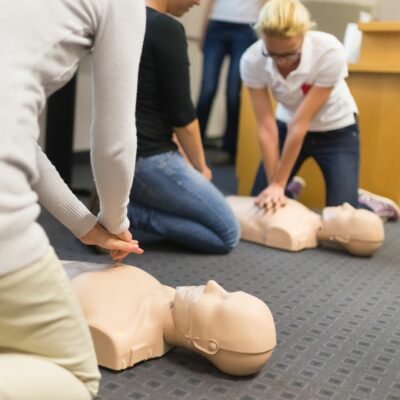
- Emphasis on keeping efficient breathing and circulation. Techniques such as upper body compressions and rescue breaths are practiced extensively.
Choking Management
- How to identify choking symptoms. The Heimlich maneuver and back impacts are shown as vital approaches for removing an obstruction.
Wound Care
- Understanding different kinds of wounds (cuts, scuffs). Techniques for cleaning wounds and applying dressings appropriately.
Recognizing Medical Emergencies
Participants discover exactly how to determine indicators of different clinical conditions such as:
- Heart attack Stroke Seizures
How Do You Get Certified? A Detailed Guide
Choose a Trusted Institution- Look for companies accredited by acknowledged bodies like the American Heart Association (AHA) or Red Cross.
- Decide whether you want fundamental emergency treatment training or advanced alternatives like Advanced Cardiovascular Life Support (ACLS).
- Most companies use on-line enrollment for convenience.
- Participate proactively in both concept and functional sessions to make certain comprehensive learning.
- A composed test combined with functional assessments usually figures out accreditation eligibility.
- Upon successful conclusion, you will get your certificate legitimate for a specified period (usually 2 years).
Types of Emergency treatment Courses Available
Standard First Aid Course
Aimed at public participants; covers essential skills relevant throughout numerous scenarios.

Advanced First Aid Course
Designed for those aiming to gain deeper understandings right into clinical emergency situations; ideal Child Care First Aid Training for professionals working in high-risk environments like building sites or health care facilities.
Youth Programs
Tailored particularly for children aged 12-- 17; focuses on age-appropriate circumstances they may run into at school or home.
CPR Accreditation: What You Need to Know
Duration of mouth-to-mouth resuscitation Courses
Typically varies from 2-- 4 hours relying on the organization supplying them. Some places likewise provide online options that allow you to find out at your own rate complied with by hands-on technique sessions.
Certification Credibility Periods
Most certifications have to be renewed every 2 years through refresher courses. This makes certain that your abilities remain relevant and upgraded according to current guidelines.

Common Myths Regarding Emergency treatment and CPR Training
Myth 1: "I Do Not Required Training; I Can Simply Call 911"
While calling emergency situation solutions is important, understanding standard emergency treatment methods while waiting can considerably boost results for people experiencing medical crises.
Myth 2: "Just Doctor Need Accreditations"
Not true! Anyone can benefit from taking first aid programs-- moms and dads, instructors, coaches-- all play crucial duties where emergency situations may arise.
FAQs About Emergency treatment and Mouth-to-mouth Resuscitation Courses
FAQ 1: What Is Covered in a Basic First Aid Course?
A basic emergency treatment course usually covers topics such as injury care, allergic reaction administration, choking assistance strategies, recognizing signs of heart attacks/strokes/seizures amongst others.
FAQ 2: Do I Required Any Kind Of Prior Experience?
No prior experience is required! These programs are made for novices that desire foundational knowledge about reacting efficiently during emergency situation situations.
FAQ 3: How much time Does It Require To Total A Course?
Completion times vary based upon format picked but typically range from a number of hours up till one full day depending upon deepness covered within program scope!
FAQ 4: Exists An Age Demand For Participants?
Most organizations allow individuals aged twelve years old & & over get involved safely offered they possess adult consent if under eighteen!
FAQ 5: Just how Usually Need To I Restore My Certification?
Certifications typically end after two years so prepare in advance as necessary when organizing refresher course classes!
FAQ 6: Will certainly I Obtain A Physical Certification After Completion?
Yes! Upon successfully finishing all demands detailed within picked program-- including analyses-- pupils earn their official first aid certificate!
Conclusion
First Aid and mouth-to-mouth resuscitation programs are very useful devices that every person ought to consider including in their skill set. The capability to act decisively during an emergency not only contributes positively in the direction of saving lives yet likewise equips individuals with confidence while navigating unanticipated scenarios. With different training course offerings offered tailored specifically towards various audiences varying from novices up until experienced experts looking refreshers-- there's truly something available suited ideal!
So don't wait any type of much longer; sign up today! Outfit yourself with this vital toolkit due to the fact First Aid Training - skillstrainingcollege.com.au that when it comes down conserving lives-- every 2nd counts!